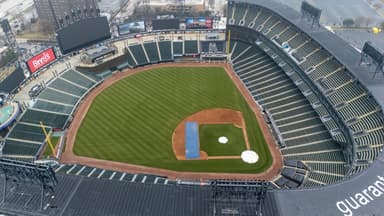
Chicago city council approves citywide expansion of smart streets program for bike and bus lanes
The Chicago City Council has approved an expansion of the Smart Streets program, bringing camera enforcement via CTA buses citywide to keep bike and bus lanes clear.
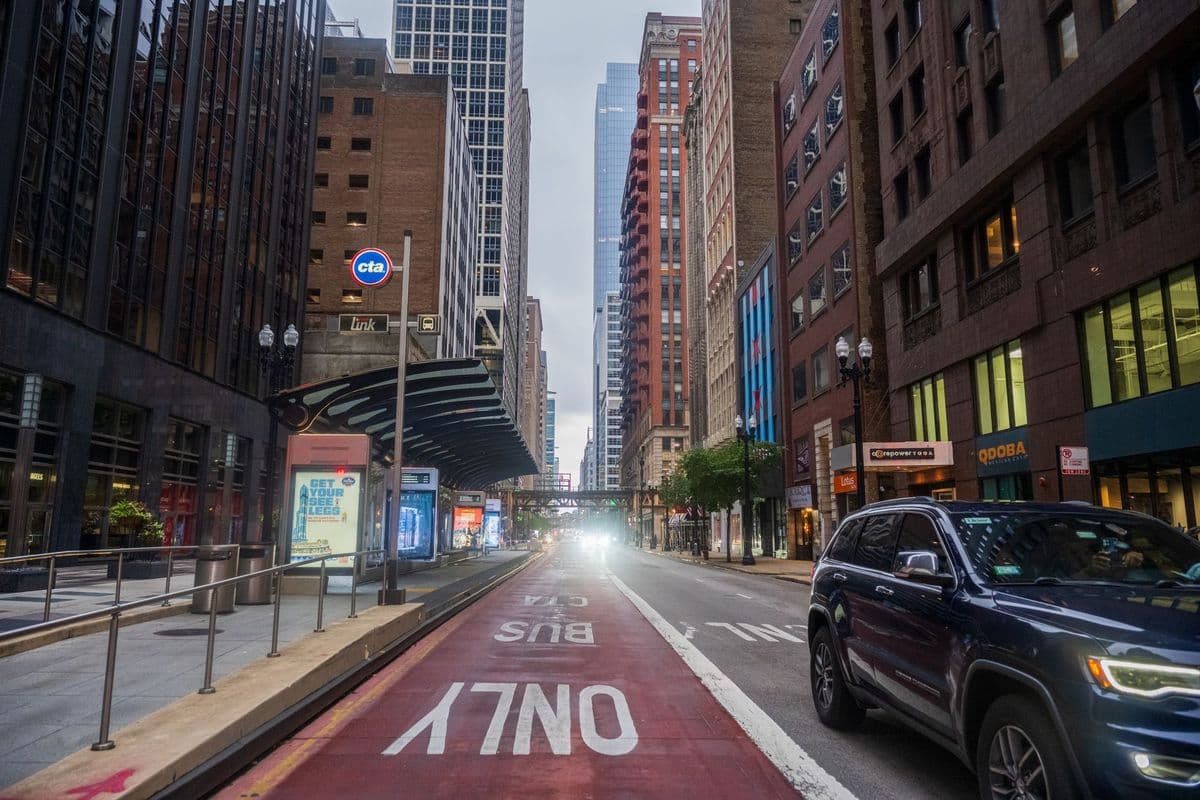
The Chicago City Council approved an expansion of the Smart Streets program, which uses cameras mounted on CTA buses and city vehicles to crack down on drivers who park or stand in bike and bus lanes. During the pilot phase of the initiative, vehicles blocking these lanes triggered automated warnings and fines, resulting in three million dollars collected in total revenue. City officials project that revenue will climb to twelve point eight million dollars next year when the program rolls out citywide in January 2027.
Supporters of the initiative pointed to public safety and transit efficiency as key drivers behind the expansion. Every illegally parked vehicle in a bus lane or at a bus stop slows down transit service by thirteen seconds, according to transit representatives. Co-sponsor and 40th Ward Alderman Andre Vasquez said the initiative helps correct behavior and prevents dangerous circumstances for cyclists, pedestrians, seniors, and parents with strollers.
First Ward Alderman Daniel LaSpata, who co-sponsored the legislation and commutes by bicycle, noted that blocked lanes remain a persistent hazard across local neighborhoods. Large commercial delivery companies have accounted for nearly four hundred sixty thousand dollars in fines since the pilot program began operations. Statistics from the city show that eighty-four percent of motorists who received an initial warning did not commit a second violation.
The city plans to implement the expansion in phases across different municipal corridors. From January to June 2027, enforcement will extend to Foster Avenue, California Avenue, and Pershing Road. Subsequent phases will bring the camera monitoring to Devon Avenue, Pulaski Road, and 51st Street, with full citywide coverage anticipated by 2028 while the city also extends debt relief programs such as the Clear Path Program to assist low-income motorists.
Questions readers ask
What is the Smart Streets program?
The Smart Streets program uses cameras mounted on CTA buses and city vehicles to crack down on drivers who park or stand in bike and bus lanes.
How much revenue did the pilot phase collect?
Vehicles blocking these lanes triggered automated warnings and fines, resulting in three million dollars collected in total revenue.
Quick quiz
How closely did you read? Pick an answer.
More Chicago News
Whole Foods plans smaller grocery store in Logan Square near blue line station
Whole Foods Market has signed a lease for a compact store inside a former retail space in Logan Square.
- by Rosa Delgado


Chicago Firm Puts Forward South Side Bears Stadium Concept
Skidmore, Owings & Merrill has proposed renderings for a Bears stadium near the White Sox’s current location, according to local reports.
- by Marcus Bell

City Council Challenges Johnson Over $75 Million Pension Plan and Parking Meter Money as Data Shows $520.5M Police Budget Overspending
Chicago City Council members are challenging Mayor Brandon Johnson's budget plan over a $75 million pension allocation and seeking control of parking meter money as financial officials defend his tax and borrowing proposals.
- by Rosa Delgado
Marcus BellSports and culture writer
Marcus covers Chicago sport, music and food.
Share this article
Recent Articles
Trending in Chicago
All videos New England Patriots vs Chicago Bears Game Highlights | 2026 NFL Season Week 7NFL
 Neighbors help rescue toddler dangling from 12th floor balcony in ChinaCBS Chicago
 The Chicago Bears Just SHOCKED The NFL With This MASSIVE Jeffery Simmons TradeThe Pat McAfee ShowAll videos